The Notes You Never Take Are the Ones You Need Most
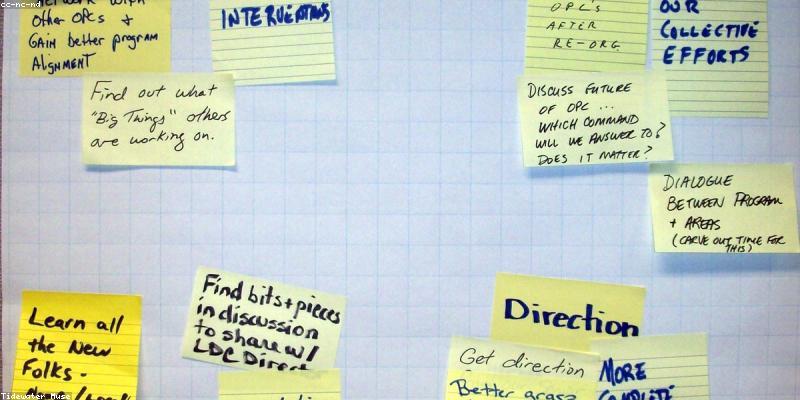
Ask anyone to recall what decisions were made in Tuesday's status call and you'll get three different versions. Human notes fail not because people are careless, but because note-taking during a live meeting splits attention: you're either listening or writing, rarely both well. Studies of meeting follow-through suggest a large share of action items get lost or paraphrased badly, which is why teams that adopt AI note-takers report fewer "did anyone actually write that down?" moments.
AI meeting notes aren't magic — they still need setup, the right tool, and a discipline about what you capture. This guide walks the actual workflow: choosing the recorder, wiring it to your calendar, cleaning the output, and turning transcripts into decisions that stick.
Step One: Pick the Right Category of Tool
Not every AI notes tool does the same job, and picking the wrong category sets you up for disappointment. There are three distinct families. First are standalone recorders that join your meetings as a virtual participant and transcribe in real time. Second are integrated note-takers built into your video platform (Zoom, Google Meet, Microsoft Teams), which capture directly without a separate bot. Third are ambient analysis tools that don't just transcribe — they summarize decisions, extract action items, and tag owners.
Your choice depends on where you meet. If everything happens in one platform, the built-in option is simplest. If you switch between Zoom, Meet, and Teams, a platform-agnostic recorder or analysis layer is more consistent. Most teams end up with one primary recorder plus a portable fallback.
Step Two: Wire It to Your Calendar and Permissions
The tool is only as good as its access. Set it to auto-join your regular meetings so you don't have to remember to click "record" each time. Calendar integration also lets the tool know meeting titles and attendee lists, which it uses to produce more accurate speaker labels and summaries.
Before you roll it out, settle the consent question. Since tapping meetings involves other people's words, most teams benefit from a short heads-up at the start of the call and a clear policy about where recordings live and who can access them. Skipping this creates friction and legal awkwardness later, especially in two-party or employment contexts.
Meeting Notes AI Compared
| Platform / Tool | Key Features | Pricing |
|---|---|---|
| Otter.ai | Real-time transcription, speaker labels, action items, Zoom/Meet/Teams integration, live captions | Free plan; Pro about $16.99/mo billed yearly |
| Fireflies.ai | Auto-join recorders, AI summaries, searchable transcripts, 100+ integrations, keyword alerts | Free plan; Pro about $18/mo billed yearly |
| Notta | Multilingual transcription, meeting summaries, real-time translation, mobile app | Free plan; Pro about $13.99/mo billed yearly |
| Zoom AI Companion | Meeting summaries, action items, recording summaries, built into Zoom | Included with paid Zoom plans |
| Microsoft Copilot in Teams | Meeting recap, intelligent recap, follow-up suggestions, integrated with Teams | Included with Microsoft 365 Copilot |
| Gemini in Workspace (Google) | Meeting notes and summaries in Meet/Drive, search across recordings, action tracking | Included with Google Workspace AI add-ons |
Step Three: Define an Output Standard Before You Start
Agreeing on what "good notes" look like is half the battle. A usable AI summary has three components: a decisions section recording what was actually decided, an action items section with owners and due dates, and a short follow-up list for the next meeting. Defining this standard once, and applying it to every meeting's output, means the notes are consistent enough to act on.
If you skip this, you'll get a generic summary that reads like a transcript and gets ignored. Teams that treat "the summary template" as a real deliverable — with owners and deadlines extracted — report far higher follow-through. The AI can do the extraction, but you set the shape it fills.
Step Four: The Cleaning Pass That Makes Notes Trustworthy
Raw AI output contains errors that matter: misheard names, wrong numbers, and action items attributed to the wrong person. Never paste a transcript wholesale into a task tracker. Instead, run a two-minute cleaning pass: verify the decisions, fix the owner names, and reword anything ambiguous.
This pass is where human judgment earns its keep. An AI can tell you a decision was made but can't always tell you whether it was provisional. Assign someone on each meeting to play "reviewer" for the notes — it takes minutes and dramatically increases trust in the system, which is what makes the whole tool sustainable.
Step Five: Turn Notes Into Action Items That Actually Close
The real value of AI meeting notes is moving from "recorded" to "done." Extract action items into your project tracker or task tool, assign owners and due dates, and tie each back to the decision that created it. A link back to the original transcript means anyone who missed the meeting can read the context instead of guessing.
Build a small follow-up loop: at the start of each weekly meeting, review last week's action items and their status. This closes the loop that makes meeting time productive instead of performative. If you're building this discipline across a team, see how meeting notes automation plugs into a broader workflow, and how meeting productivity practices keep the whole process from becoming another meeting about meetings.
Privacy, Storage, and Retention Decisions
Every recording is a record of real people talking, so decide how long you keep them and who can access them. Retention matters because raw audio and transcripts are more sensitive than a one-line summary, and keeping years of meeting recordings is a liability. Set a retention window — for example, 90 days for transcripts and 30 days for raw recordings — and let the summaries live longer.
Access control is the second half. Grant the ability to view transcripts and summaries only to people who genuinely need them, rather than making every recording available to the whole company. This keeps the tool useful without turning your meeting history into a compliance or trust problem. For teams, a clear policy on this is worth writing down before the first bot joins a call.
Choosing Based on Your Meeting Volume
The right price tier depends on how much you actually meet. Low-volume users (a few meetings a week, mostly internal) are often served by the free plan of a recorder or the built-in option of their video platform. High-volume teams (daily calls, client meetings, many external participants) justify a paid tier for longer transcripts, more storage, and better summarization.
Before subscribing, estimate your real monthly meeting hours. Paid tiers are usually priced on a per-user, per-month basis tied to transcription minutes or storage. If your free plan keeps hitting caps halfway through the month, that's the signal it's time to pay — but many teams find the built-in platform options cover their needs without a separate subscription at all.
A Sustainable Notes Habit
The tools on the table from a complementary angle — dedicated — show how much these workflows can do out of the box. Combined with the discipline inside meeting notes automation, they turn a raw recording into a decision record. But the technology only works if the humans around it commit to the small routine: one person reviews the notes, action items get owners and dates, and follow-up happens at the next meeting.
Start with a single recurring meeting rather than rolling it out everywhere at once. Run two or three sessions, refine the output standard and the cleaning pass, then expand. The habit sticks because it makes meetings measurably less tiring and more accountable. Once the loop is running, capture spills into your broader knowledge base, and storing those distilled decisions alongside your other smart notes keeps every decision retrievable long after the call ends.
For more, check out: .
For more, check out: and ai meeting summary tools.
Frequently Asked Questions
Is it safe to have an AI bot join sensitive or confidential meetings?
It depends on your consent practices, your tool's data handling, and your retention settings. Always tell participants a bot is recording, restrict access to only those who need it, and set a retention window for raw recordings. If a meeting is legally or commercially sensitive, consider whether a recorded transcript is even necessary — sometimes manual notes are the safer choice.
Can AI meeting notes really assign action items to the right people?
Mostly, but not reliably enough to trust blindly. Modern tools extract action items with decent accuracy, especially with clear language like "John will handle the migration." Still, run a quick review pass to correct owners and due dates, because misassigned action items silently break follow-through. Your reviewer step is the safety net.
What's the difference between a recorder and an analysis tool?
A recorder captures a verbatim transcript; an analysis tool adds summaries, decisions, and action items on top of that transcript. Many products now do both. Choose a recorder if you mainly want a searchable record, and an analysis tool if your goal is turning meetings into decisions and tasks rather than just words on a page.
Which is best if we switch between Zoom, Google Meet, and Microsoft Teams?
A platform-agnostic recorder like Fireflies or Otter integrates across all three and produces consistent output regardless of where you meet. Built-in tools are great but lock you to one platform. If your team is mixed, an independent recorder keeps workflows uniform and summaries comparable across different meeting systems.
Do I need to keep the raw recordings at all?
Only briefly, and usually not in perpetuity. Keep raw recordings for a short window in case a summary is disputed or needs verification, then delete them. Retain the cleaned summaries and action items longer, since those hold the durable decisions. Long-term storage of raw audio is mostly liability with little upside.